Smile lines, also called nasolabial folds, are the creases that run from the sides of your nose down to the corners of your mouth. As we age, these lines can deepen and make the face look tired or older. Smile line filler in Korea is one of the most popular non-surgical treatments for smoothing these folds and restoring a youthful, refreshed look. See also: /p>gangnam skin clinic.
What is Smile Line Filler?
Smile line filler is a cosmetic injection treatment that uses dermal fillers to soften the deep creases around the mouth and nose area. A doctor injects a gel-like substance, most commonly hyaluronic acid, directly into or around the fold to add volume and smooth the skin. The procedure is quick, requires no general anesthesia, and has very little downtime. Learn about /p>kbeauty clinic seoul.
- Immediate results: You can see a visible difference right after the injection session.
- Non-surgical: No cuts, no stitches, and no long recovery period required.
- Reversible: Hyaluronic acid fillers can be dissolved with an enzyme called hyaluronidase if needed.
Types of Smile Line Filler Offered in Korea
Korean clinics offer several filler options depending on your skin type, depth of the fold, and desired outcome. See also: /p>a Seoul aesthetic provider.
- Hyaluronic Acid (HA) Filler: The most common choice. Brands like Juvederm and Restylane are widely used. HA fillers attract moisture and blend naturally with the skin tissue.
- Collagen-Stimulating Filler: Products such as Sculptra or Radiesse stimulate your body to produce its own collagen over time. Results develop more gradually but can last longer.
- Korean Brand Fillers: Korea produces its own high-quality filler brands that meet strict safety standards. These are often more affordable and widely trusted by local doctors.
- Combination Approach: Some clinics combine filler with Botox or skin boosters for a more complete facial rejuvenation result.
Why Choose Korea for Smile Line Filler?
Seoul has become a global hub for cosmetic treatments, and for good reason. Here is why thousands of international patients choose Korea every year. See also: /p>
- Highly trained doctors: Korean cosmetic doctors complete rigorous training and often specialize exclusively in facial aesthetics and filler injection techniques.
- Advanced techniques: Korean clinics use the latest injection methods, including cannula techniques that reduce bruising and improve precision.
- Competitive pricing: The cost of smile line filler in Korea is significantly lower than in the United States, United Kingdom, or Australia for the same quality of care.
- Premium products: Clinics use globally recognized filler brands alongside trusted Korean medical-grade products.
- Medical tourism infrastructure: Many Seoul clinics have English-speaking staff, translation services, and dedicated support for international patients. If you need personalized guidance from an Dermatologist In Seoul to find an english speaking dermatologist seoul, you’ll find comprehensive resources to connect with qualified practitioners.
Cost of Smile Line Filler in Korea
Prices vary depending on the filler brand, the amount of product used, and the clinic location. Below are general price ranges to help you plan your budget.
- Basic HA Filler (1 syringe): ₩150,000 – ₩300,000 (approximately $110 – $225 USD)
- Premium HA Filler (Juvederm / Restylane): ₩300,000 – ₩600,000 (approximately $225 – $450 USD)
- Collagen-Stimulating Filler: ₩500,000 – ₩900,000 (approximately $375 – $675 USD)
- Full Face Filler Package (includes smile lines): ₩800,000 – ₩1,800,000 (approximately $600 – $1,350 USD)
Always request a detailed quote during your consultation, as pricing depends on how much filler you actually need. For comprehensive information on treatment options and pricing, consulting with an expert dermatologist seoul treatment provider ensures you understand all available choices and their associated costs.
What to Expect During and After
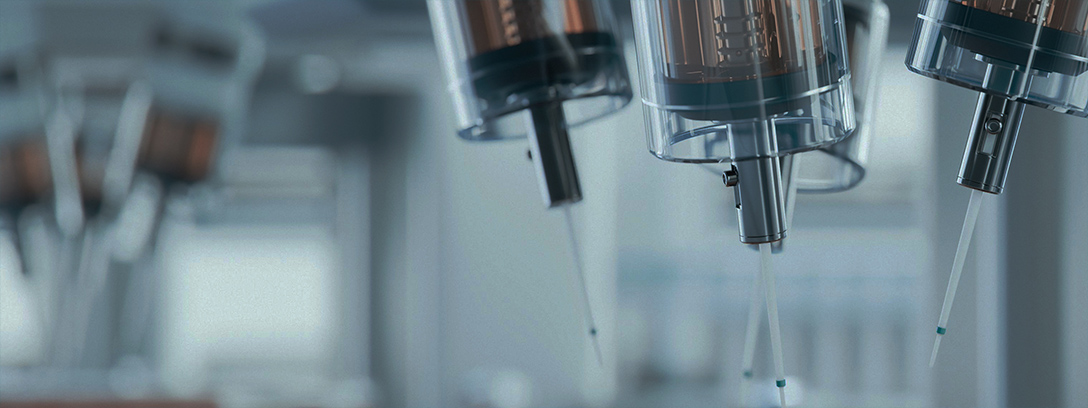
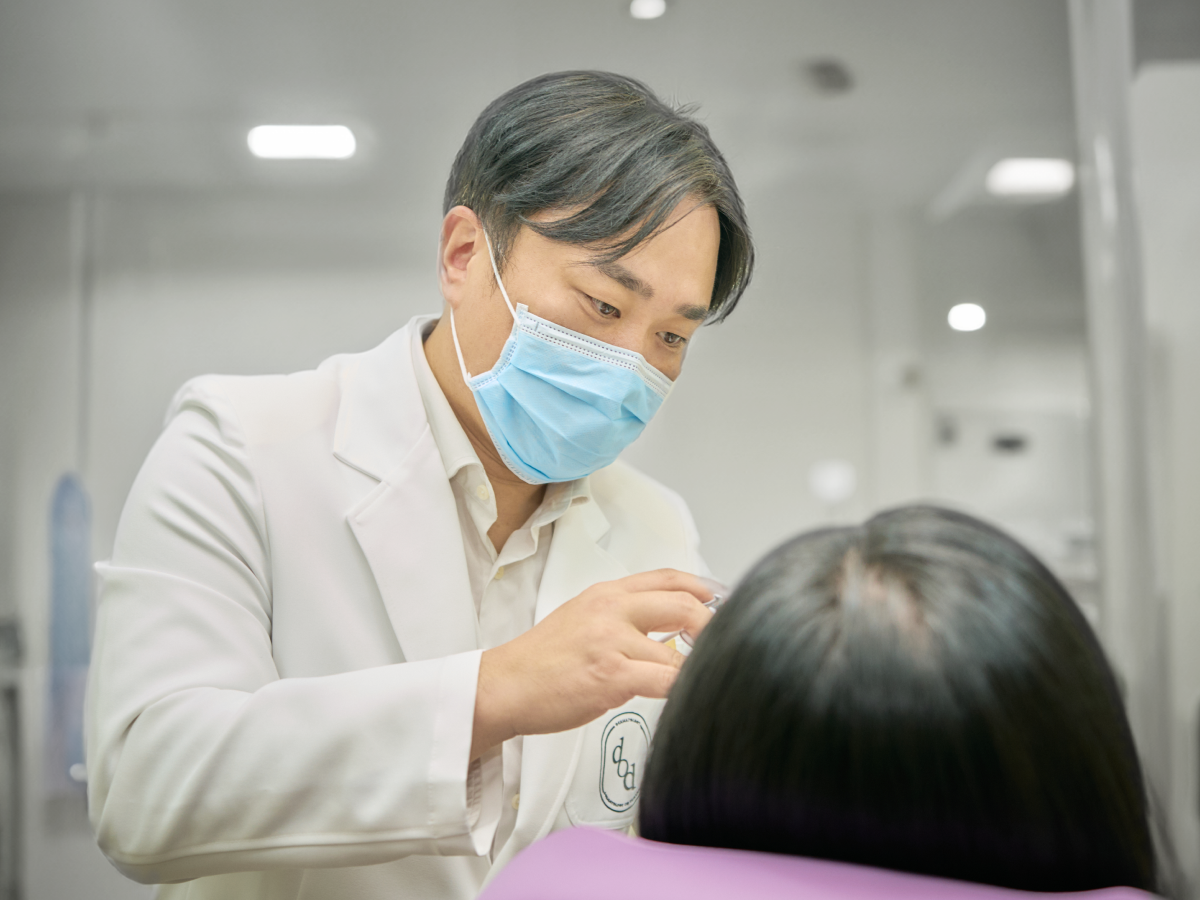
The treatment itself takes about 20 to 40 minutes. Your doctor will clean the area, apply a numbing cream, and then carefully inject the filler using a fine needle or cannula. You may feel a mild pressure or pinching sensation, but most patients find it very manageable.
After the procedure, you may notice some swelling, redness, or light bruising around the injection site. This is completely normal and usually fades within 3 to 5 days. You can return to daily activities almost immediately, though doctors typically advise avoiding intense exercise, alcohol, and direct sun exposure for 24 to 48 hours. For more detailed post-treatment care protocols and what different clinics recommend, koreadermatologyclinicguide.com provides thorough information on clinic standards and recovery timelines.
Follow-up and Results
Results from hyaluronic acid smile line filler typically last between 9 and 18 months, depending on the product used, your metabolism, and your lifestyle. Collagen-stimulating fillers may last up to 2 years or longer. Most patients return for a touch-up session once results begin to fade naturally.
Your clinic will usually schedule a follow-up appointment 2 to 4 weeks after the initial treatment to assess the results and make any minor adjustments if needed. Staying in regular contact with your clinic helps ensure the best long-term outcome.
Conclusion
Smile line filler in Korea offers an excellent combination of expert care, advanced techniques, and affordable pricing. Whether you are visiting Seoul specifically for this treatment or adding it to a broader medical tourism trip, you can expect professional service and natural-looking results. Korea’s strong cosmetic medicine culture means patients are in safe, experienced hands from the first consultation to the final follow-up.
Ready to learn more or get a personalized quote? Contact us on WhatsApp today for a free, no-obligation consultation. Our team will help you find the right clinic in Seoul, answer your questions about smile line filler, and guide you through every step of the process. Your journey to smoother, younger-looking skin starts with one simple message.